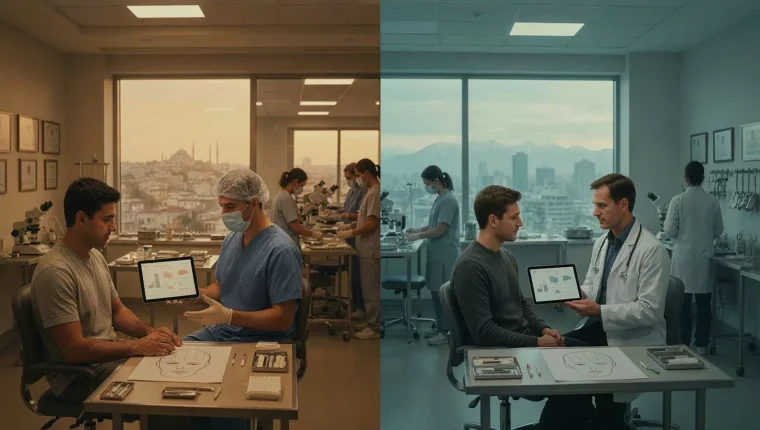
Hair loss can affect appearance, confidence, and daily comfort, so many people consider hair transplantation a hair restoration option. The procedure may help selected patients improve hair density in areas affected by pattern hair loss, but its benefits depend on factors such as the cause of hair loss, the quality of the donor area, available grafts, and overall health. A transplant is not a universal solution, and results can vary from one person to another. This article explains the practical advantages of hair transplantation, including its potential for natural-looking coverage, lasting growth, and carefully planned graft placement. It also considers treatment limits, differences between techniques such as FUE and DHI, and the recovery process patients should expect.
What Are the Main Advantages of Hair Transplantation?
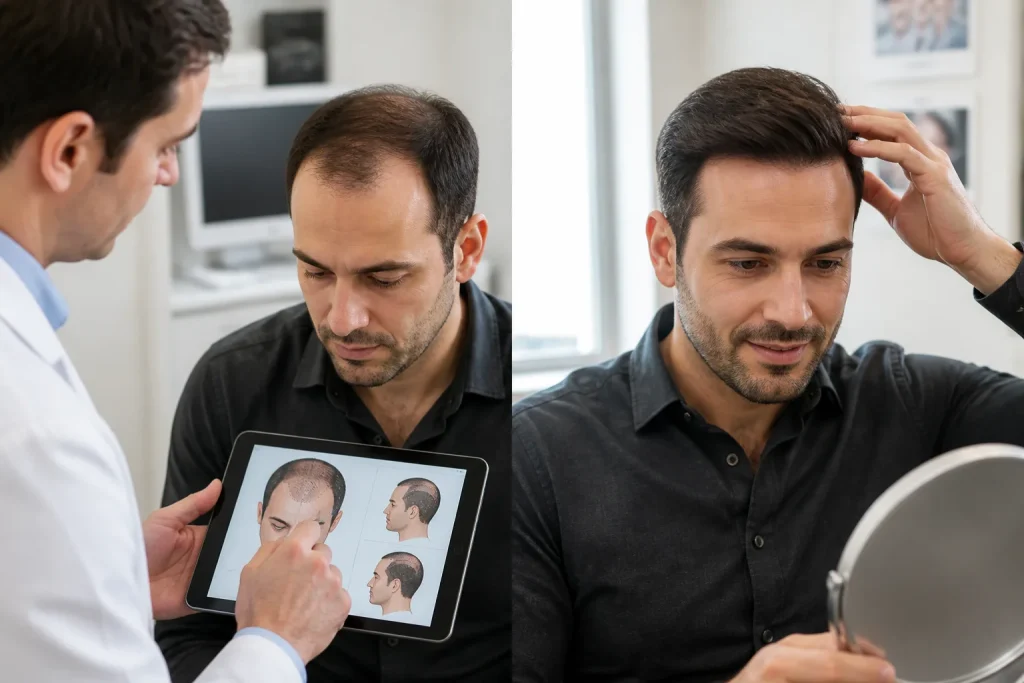
Hair transplantation can help restore coverage in areas affected by pattern hair loss, including the hairline, temples, crown, or other thinning regions. By moving follicles from a fuller donor area to a recipient area, the procedure can improve the overall balance of the hairstyle and make sparse sections less noticeable. This may be especially valuable for people who want a lasting surgical option rather than relying only on temporary cosmetic products or styling techniques.
One practical benefit is that the treatment uses the patient’s own hair follicles. This allows the transplanted hair to match the existing hair more naturally in color, texture, and growth behavior. It can also provide greater flexibility for styling once the grafts have matured, although the final appearance depends on the available donor supply and the characteristics of the existing hair.
Donor supply is one of the main factors that determines whether the expected improvement is realistic. A surgeon must assess the stability of the donor area, the pattern and progression of hair loss, the number of grafts available, and the density needed in the recipient area. Hairline goals, scalp characteristics, and the patient’s age also influence how the grafts should be allocated. For some individuals, restoring complete density is not possible, but improving coverage and reducing the contrast between hair and scalp may still create a meaningful cosmetic change.
These potential benefits should not be confused with immediate or guaranteed results. Newly placed grafts need time to establish, and the visible outcome develops gradually. A qualified consultation can clarify whether hair restoration is suitable, what degree of coverage may be achievable, and how future hair loss could affect the long-term plan.
How Does Hair Transplantation Create Natural-Looking Results?
A natural-looking hair transplant begins with a hairline designed to suit the patient’s facial proportions, age, and existing pattern of hair loss. Rather than creating a perfectly straight or unusually low line, the surgeon usually considers natural irregularities, temple shape, forehead height, and the way the patient’s original hair grows. This planning helps the transplanted area look consistent with the rest of the scalp.
Graft placement also depends on matching the direction and angle of existing hair. Follicular units placed too vertically, too close together, or against the surrounding growth pattern may appear artificial. Careful angulation allows the hairs to lie naturally and blend with nearby strands. Spacing is adjusted across the recipient area so that available grafts provide balanced coverage without creating visibly dense or uneven zones.
The characteristics of the transplanted grafts matter as well. Finer single-hair grafts are often suitable for the front hairline, while larger follicular units may support density farther behind it. Recipient-area planning must also account for possible future hair loss, because untreated native hair may continue to thin around the transplanted follicles. A surgeon therefore needs to set realistic density goals based on donor supply, hair caliber, scalp condition, and the patient’s long-term pattern.
A natural result ultimately reflects the interaction of hairline design, graft quality, surgical handling, and placement technique. Individual anatomy and healing can influence the final appearance, so a personalized assessment is essential before treatment.
Why Can Hair Restoration Offer Long-Term Hair Growth?
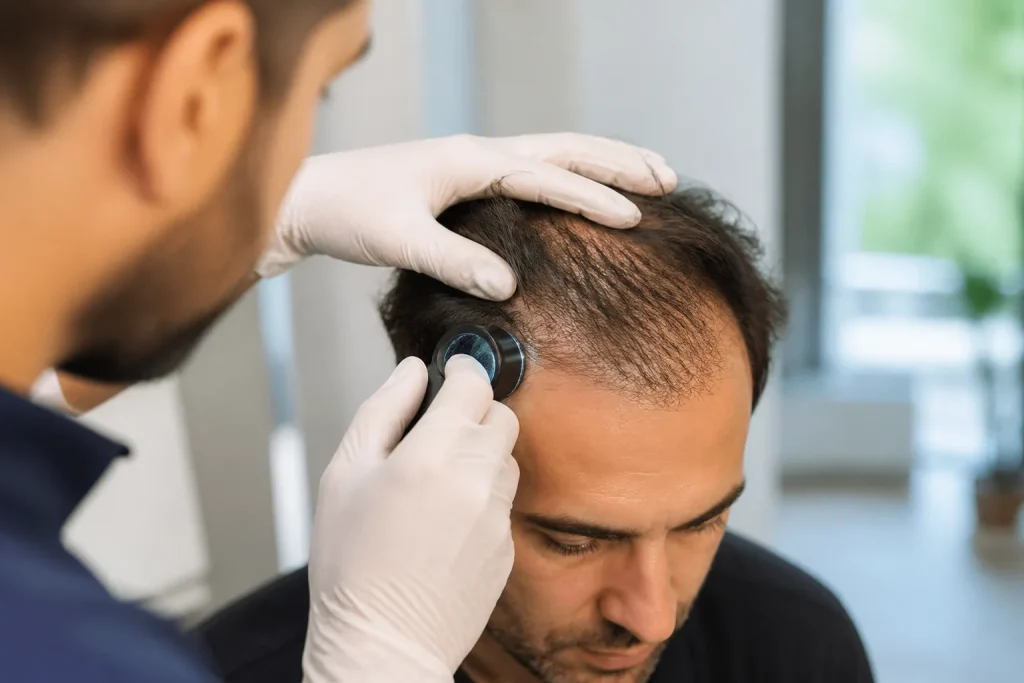
The long-term potential of a hair restoration procedure largely depends on the characteristics of the follicles selected from the donor area. Follicles from areas that are less sensitive to the hormonal effects linked with pattern hair loss may continue producing hair after being moved to thinning regions. This donor dominance is one reason transplanted grafts can provide lasting coverage, although individual outcomes vary according to hair quality, loss pattern, age, and overall health.
Long-term growth develops gradually rather than immediately. Newly transplanted hairs may look fine at first and can require time to mature, thicken, and blend with surrounding hair. A lasting visual improvement is possible once this maturation occurs, but transplantation does not stop every form of hair loss or guarantee a fixed density for life.
The non-transplanted hair around the grafts may continue to thin, particularly when genetic hair loss remains active. This can affect the overall appearance even if the transplanted follicles remain stable. A medical evaluation can help identify ongoing causes of shedding and determine whether separate treatment may be appropriate. Maintaining realistic expectations and monitoring future changes are therefore important parts of long-term hair restoration planning.
How Do FUE and DHI Support Precise Graft Placement?
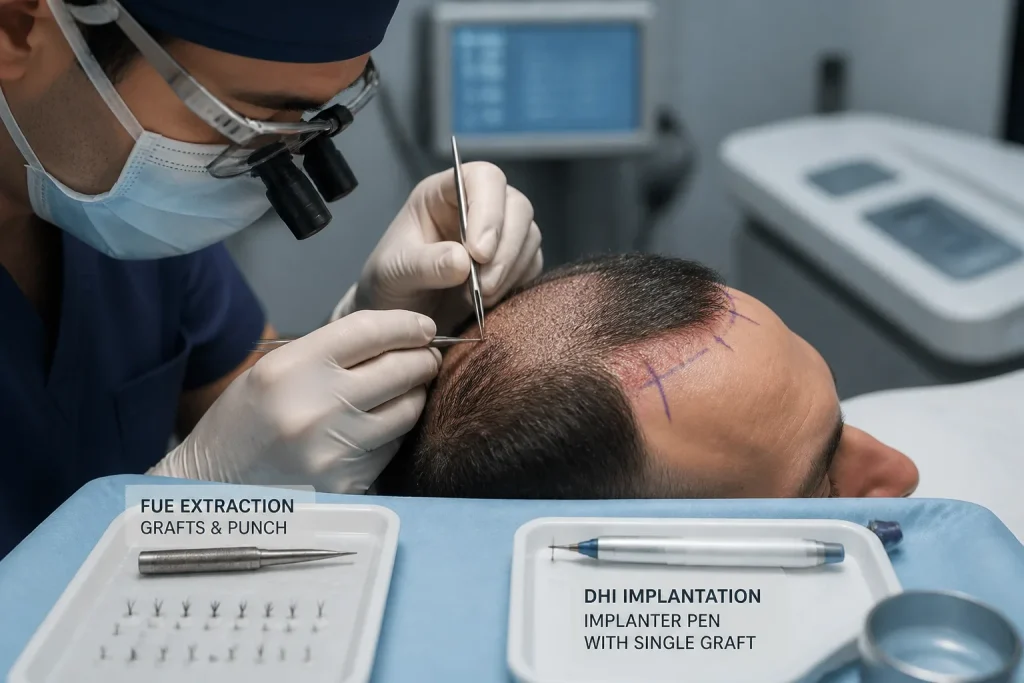
FUE and DHI use different workflows to move hair follicles from the donor area to the recipient area. With FUE, individual grafts are extracted with a small punch and then placed into prepared recipient sites. DHI also involves follicular extraction, but grafts are typically loaded into an implanter pen and inserted directly without creating all recipient openings in advance.
The main practical benefit of either approach is controlled graft handling. The surgeon can assess each follicle and position it according to the planned angle, direction, spacing, and coverage needs. With DHI, direct implantation may allow close control over the timing and location of placement, while FUE can offer flexibility when designing recipient sites before insertion. These differences may influence how hair density and existing hair are managed.
Neither method is universally superior. The choice depends on factors such as donor supply, hair characteristics, the size of the recipient area, the number of grafts required, and the surgeon’s assessment. Careful technique and planning generally matter more than the procedure name alone, particularly for maintaining consistent graft direction and angle.
What Should You Expect During Recovery and Aftercare?

The first days after a hair transplant usually involve mild sensitivity, tightness, swelling, or redness around the treated areas. Small scabs may form as the grafts heal, and these should not be picked or rubbed. Sleeping with the head elevated, avoiding strenuous activity, and protecting the scalp from pressure or direct sun can support early healing.
Following the clinic’s aftercare instructions is essential. These instructions may cover gentle washing, prescribed medication, sleeping positions, exercise, and when to attend follow-up appointments. Care requirements differ between patients, so advice from the treating medical team should take priority over general guidance.
Some transplanted hairs may shed during the weeks after surgery before new growth becomes visible. Hair growth is gradual, and the timing can vary according to individual healing and follicle development. Contact the clinic promptly if you notice rapidly increasing pain, spreading redness, significant bleeding, fever, or any symptom that seems unusual. The medical team can assess the area and provide appropriate advice.
FAQs
Is hair transplantation suitable for every type of hair loss?
No, hair transplantation is not suitable for every type of hair loss. It works best for permanent pattern baldness when the donor area contains enough healthy hair follicles, but it may not be appropriate for temporary shedding, active alopecia areata, scarring alopecia, or diffuse loss with poor donor density. A qualified hair restoration specialist should identify the cause and assess the donor and recipient areas before recommending FUE, DHI, or another treatment.
How long does it take to see visible hair growth after a transplant?
Most patients notice new hair growth about 3–4 months after a transplant, although early growth may be fine or uneven. Hair density usually improves gradually over 6–12 months, with the final result often visible around 12–18 months depending on the grafts, procedure, and individual recovery. Temporary shedding during the first few months is common and does not necessarily indicate treatment failure.
Can transplanted hair thin or fall out over time?
Transplanted hair can temporarily shed during the first few months after surgery, a normal phase known as shock loss, before new growth begins. Once established, hair follicles taken from the donor area are generally resistant to pattern hair loss, but natural, non-transplanted hair may continue to thin over time. Proper aftercare and medical treatment for ongoing hair loss can help preserve overall hair density.